How to Choose TP-Link Omada Devices for Scalable Office Networks

Modern office networks must be scalable, secure, and easy to manage. TP-Link’s Omada ecosystem is designed to deliver controller-based networking that grows with organizational needs. Selecting the correct access and switching hardware is essential for building a future-ready infrastructure.
Two frequently deployed components are the TP-Link EAP723 access point and the SG3428XMP managed switch, which together form a strong foundation.
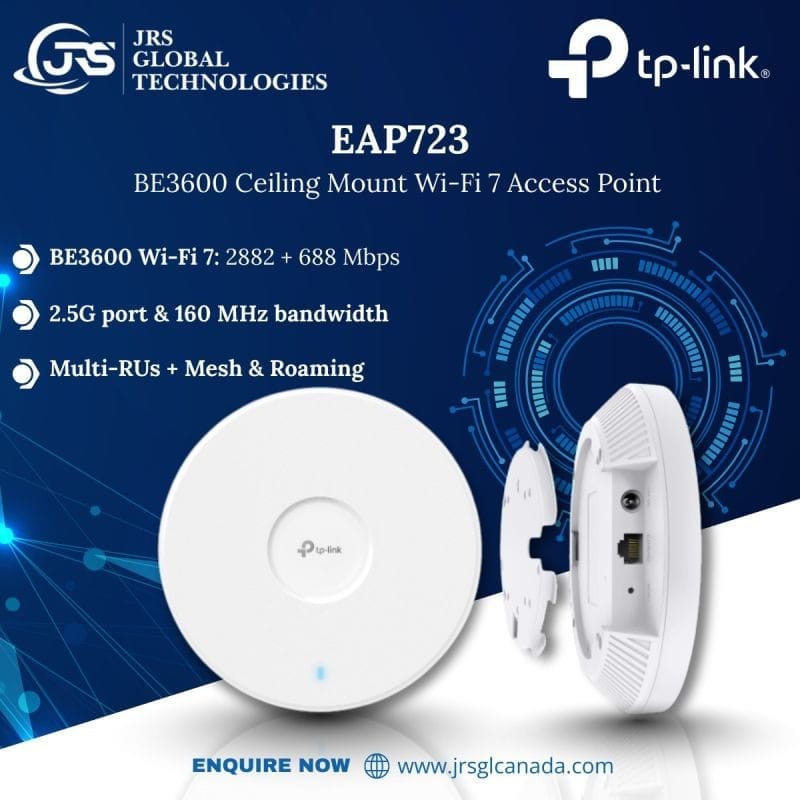
Understanding Access Layer Requirements
The access layer connects user devices to the network. Access points should be selected based on:
User density
Floor layout
Device mix
Application load
The EAP723 WiFi 6 access point is suitable where many concurrent users require stable throughput and roaming continuity.
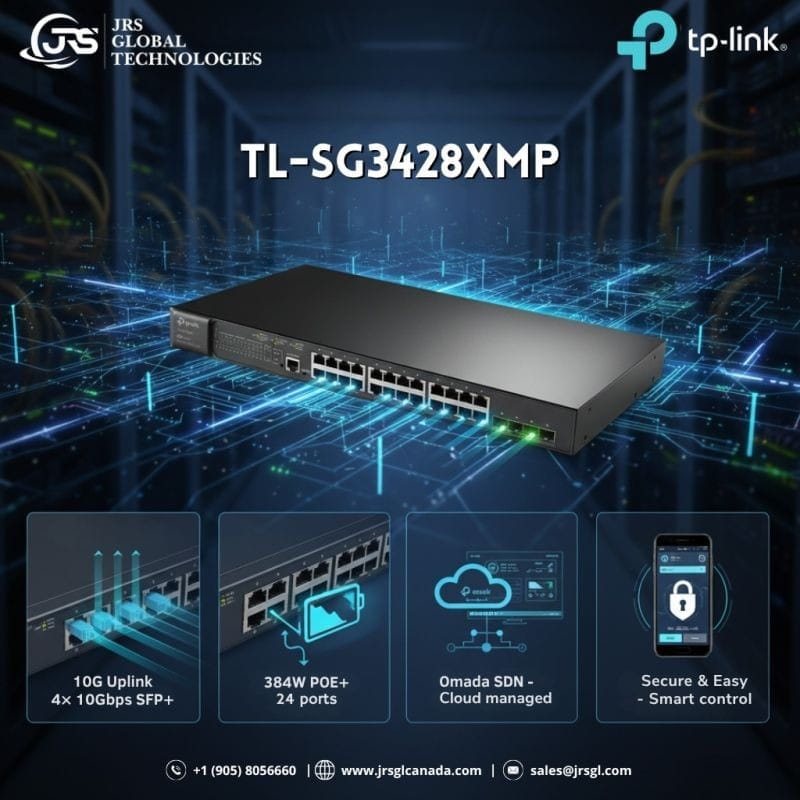
Understanding Switching Layer Requirements
The switching layer must support:
PoE delivery
VLAN control
Traffic prioritization
Uplink bandwidth
The SG3428XMP managed PoE switch supports structured segmentation and powered device deployments.
Controller-Based Network Advantages
Omada controller environments provide:
Central configuration
Unified firmware updates
Traffic visibility
Remote troubleshooting
Policy consistency
This reduces operational overhead compared to standalone device management.
Growth Planning
Always design with expansion capacity:
Extra PoE budget
Spare switch ports
Controller scaling
Additional AP coverage zones
Planning avoids redesign later.
Final Selection Strategy
Choose access points for coverage and density, and switches for power and control. Balanced selection improves reliability and simplifies operations.